Skip to content
Dr. MJ Grines
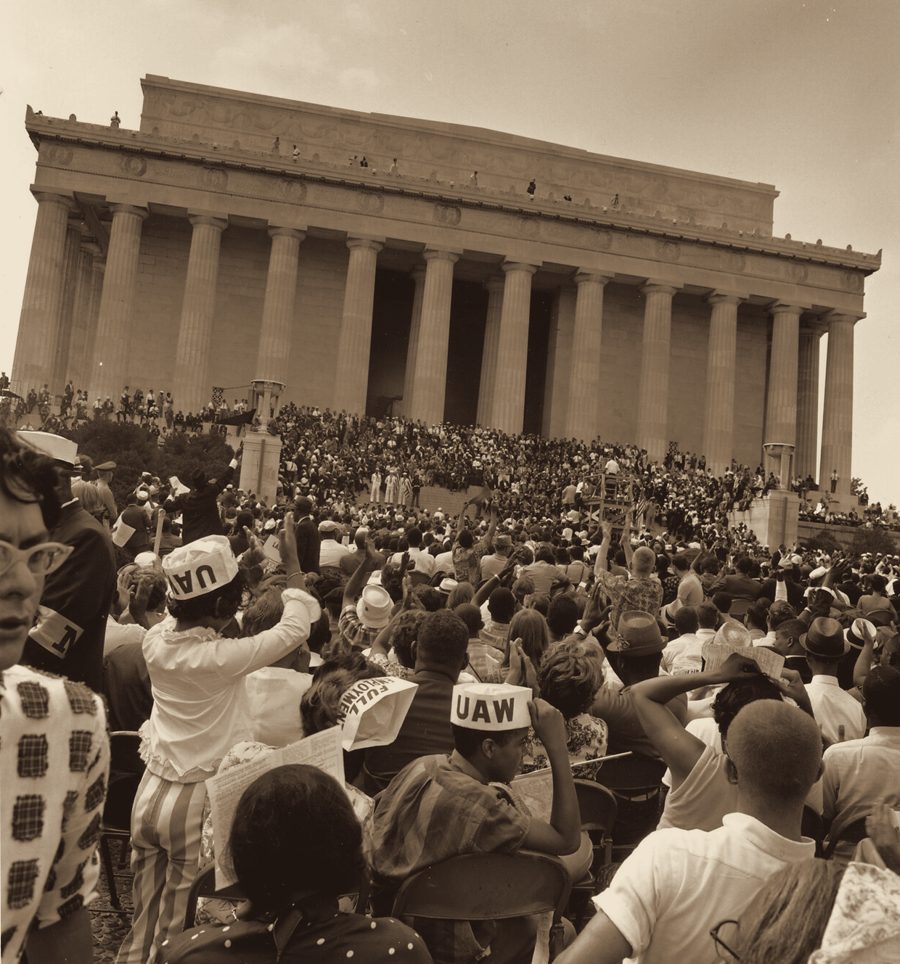
Archival photograph: marchers gather before the Lincoln Memorial during the 1963 March on Washington for Jobs and Freedom.

History
Deserves Context.

Documenting Black History

Explore the ideas, systems, and stories that shape how we live, work, and lead.

March on Washington, 1963. U.S. National Archives (public domain).

History. Work. What comes next.

Perspectives on history, race, and culture, plus new resources and upcoming events.

By joining, you agree to receive email updates from Dr. MJ Grines. You can unsubscribe at any time.

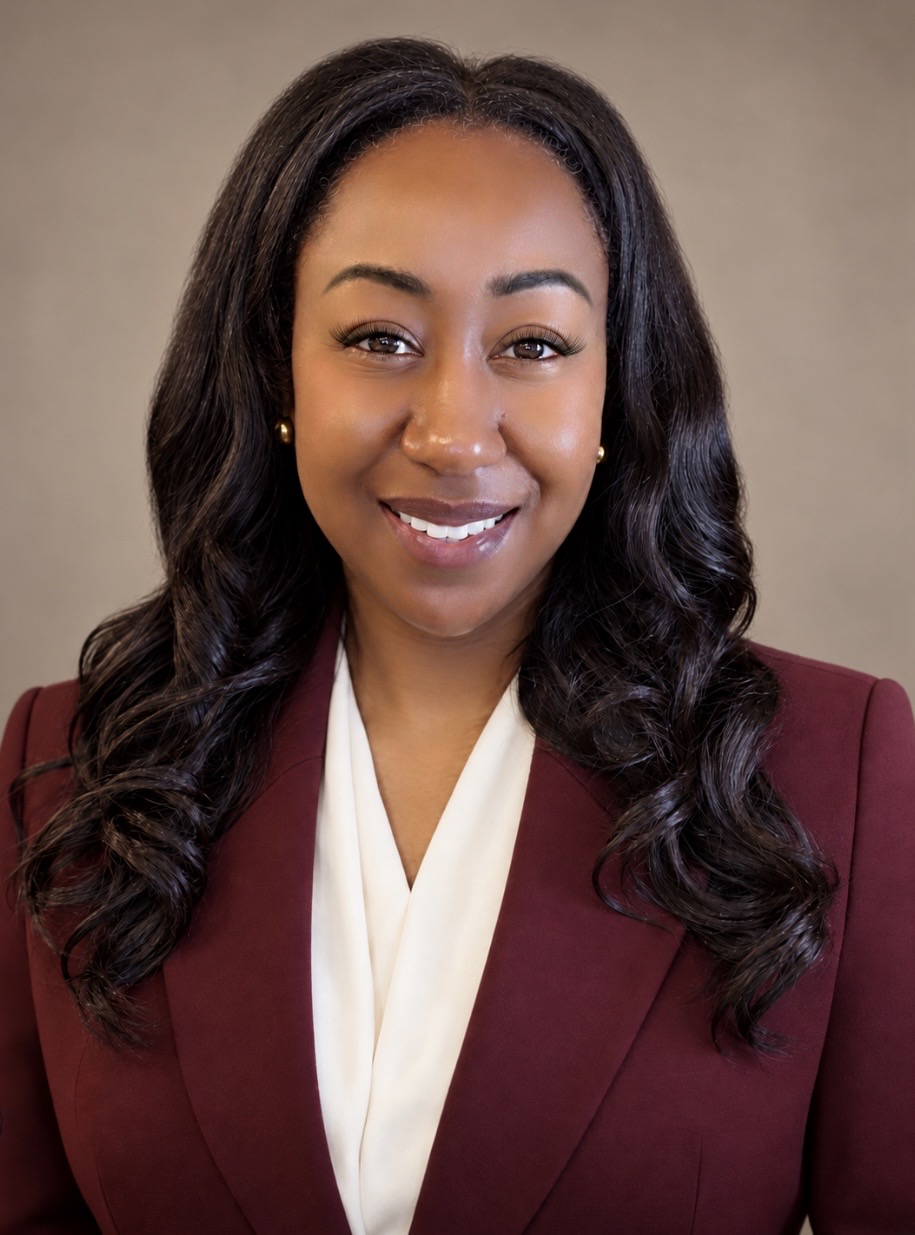
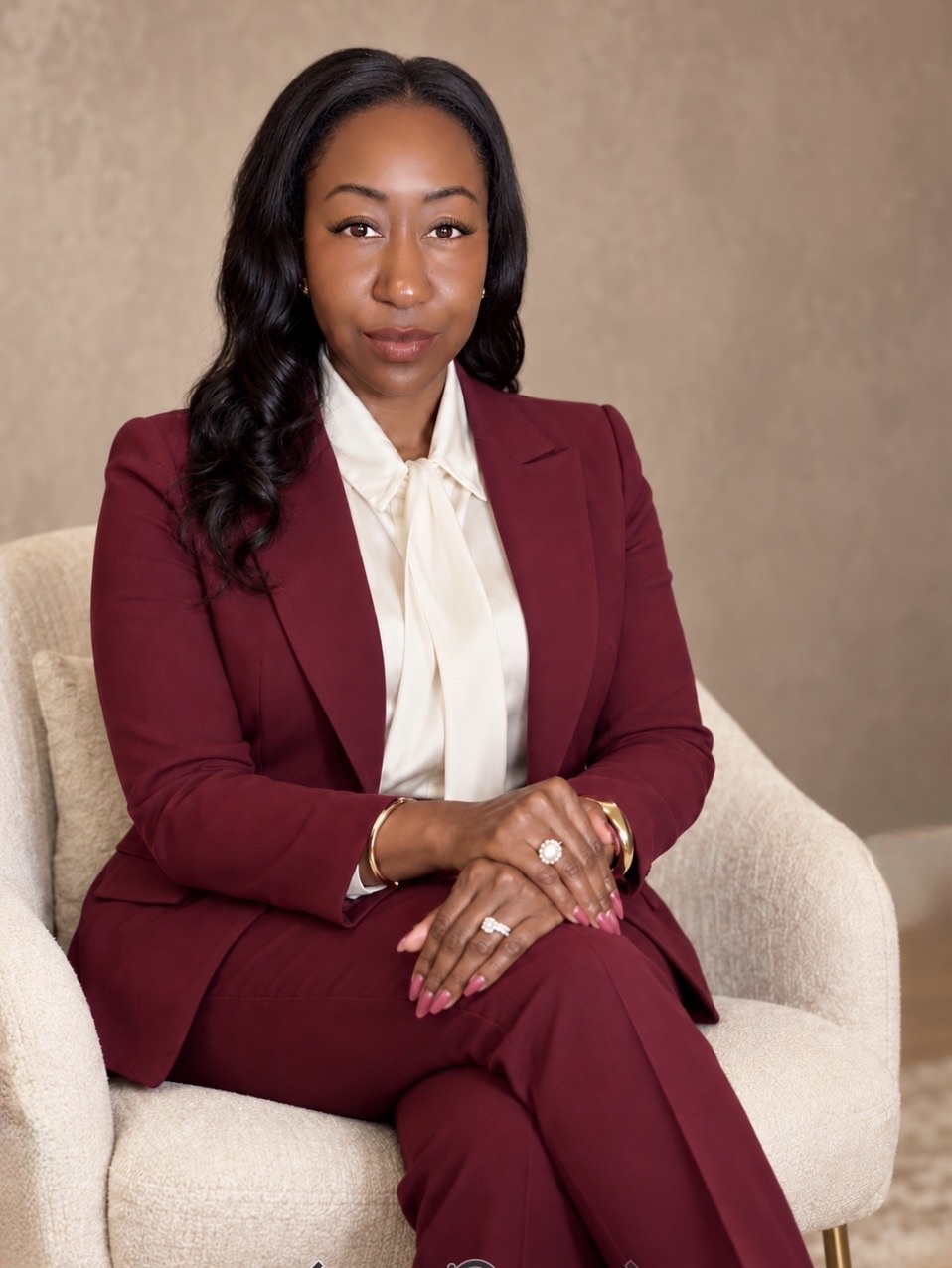
Dr. MJ Grines seated in a cream chair wearing a burgundy suit.

Meet Dr. MJ Grines

Scholar. Strategist. Speaker. Writer.

I’m Dr. MJ Grines, an organizational culture strategist whose work examines how history, race, culture, leadership, and institutional power shape organizations and the people within them.

As a professor, author, and consultant, I teach, write, and advise on leadership, workplace culture, human resources, and the systems that influence how people experience organizations.

My perspective draws on more than two decades of leadership, military service, human resources, workforce strategy, teaching, researching, and lived experience within complex institutions.

Ideas. Insights. Impact.

The Story

A Career Shaped by People, Systems, and Power

My career has taken me from military leadership and human resources to academic research, teaching, organizational culture strategy, and public scholarship.

Across each of those spaces, I kept returning to the same questions: Who gets access? Who gets heard? Who advances? Who is expected to adapt? And what happens when institutions reproduce inequity while insisting the system is neutral?

Those questions eventually became central to my scholarship and continue to shape the work I do today.


Scholarship

Research That Connects Institutions to Lived Experience.

My academic work examines how organizational systems, workplace culture, race, gender, and power shape professional experiences and opportunity.

My doctoral research (opens in a new tab) explored Black female U.S. Army officers’ perceptions of equal opportunity, examining how institutional systems are experienced by the people navigating them.

That research now informs a broader body of work exploring workplace equity, leadership, organizational culture, Black women’s professional experiences, and the historical forces that continue to shape modern institutions.

Research helps us understand the present so we can build a more just and informed future.
Dr. MJ Grines

Let’s turn insight into action.

Explore my work, invite me to speak, or start a conversation about how research and strategy can support your organization or audience.

Dr. MJ Grines in a burgundy suit, with hands gently clasped

Dr. MJ Grines

Scholar. Strategist. Speaker. Writer.

History shapes us.Stories move us forward.

Explore my scholarship, research, and conversations on history, race, culture, and the institutions that shape our lives.

Scholarship & Engagement

Explore the writing, conversations, and professional collaborations that bring research and ideas into practice.

Dr. MJ Grines smiling in a burgundy suit.
Work With Me

Strategy. Scholarship. Conversations That Move People Forward.

I work with organizations, leaders, institutions, and audiences seeking deeper understanding of workplace culture, leadership, race, history, and institutional systems.

My approach combines research, professional experience, and accessible storytelling to help people move beyond surface-level conversations toward greater context, clarity, and action.

Start a Conversation
Services

Four Ways to Work With Me

Organizational Culture Strategist & Consultant

Helping organizations strengthen their culture, leadership, and people practices through research, education, strategic advising, and HR consulting.

Formats includeStrategic advisory engagements; executive and leadership sessions.

Speaking & Keynotes

Research-driven talks that connect history, culture, work, leadership, and power in ways audiences can understand and apply.

Formats includeKeynotes and featured talks; panels and moderated discussions.

Workshops & Facilitation

Interactive sessions designed to deepen understanding, challenge assumptions, and create more informed conversations about race, workplace culture, leadership, and equity.

Training for teams and organizations is also available.

Formats includeWorkshops, facilitated conversations, and team training.

Media & Commentary

Expert commentary, interviews, panels, podcasts, and media conversations related to Black history, workplace systems, race, culture, leadership, and public life.

Formats includeMedia interviews and expert commentary.

Focus

Areas of Expertise

  • Black Women and the Workplace
  • Workplace Culture & Organizational Systems
  • Race, Bias & Institutional Power
  • Leadership & Workforce Strategy
  • Black History & Historical Context
  • Equity, Opportunity & Organizational Change
Programs

Select Speaking & Program Topics

01

Black at Work

Race, gender, power, and the systems shaping Black professional experiences.

02

History Is Still in the Room

How historical context continues to influence institutions, leadership, policy, and culture.

03

Beyond the Diversity Statement

Moving workplace conversations from representation to systems, experience, and accountability.

04

The Problem Woman of Color

Understanding the frameworks and organizational dynamics affecting women of color in professional spaces.

Bring more context to the conversation.

Whether you are planning a leadership session, conference, workplace initiative, media segment, or strategic engagement, let’s discuss what your audience or organization needs.

Start a Conversation

Let’s Start a Conversation

Tell Me What You Have in Mind

Resources

Tools for deeper learning.Context for better conversations.

Explore curated research, articles, reading lists, visual essays, and practical resources designed to deepen understanding of history, workplace systems, race, culture, and institutional power.

Explore Resources
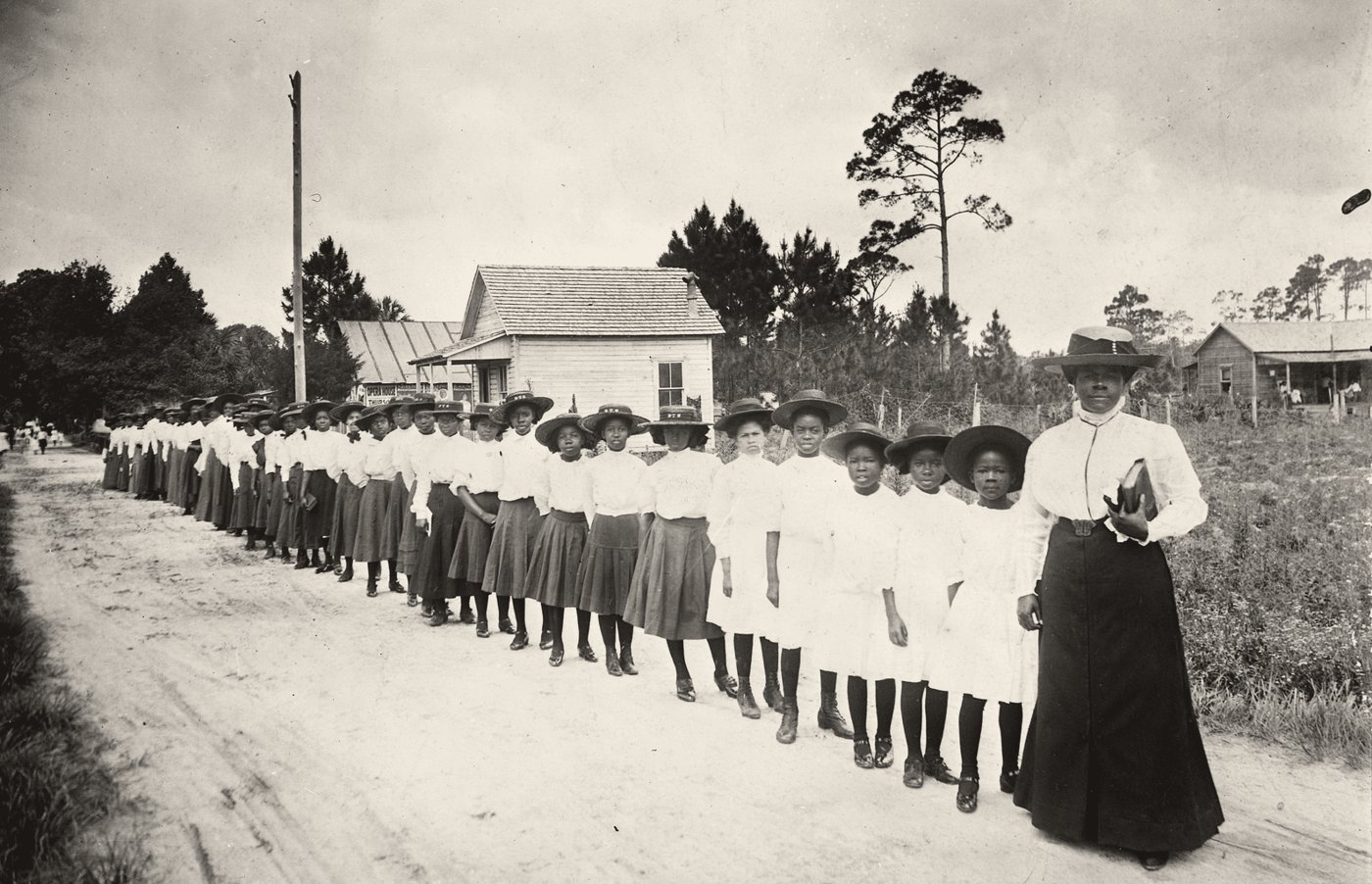
Educator Mary McLeod Bethune stands beside a long line of girls in white blouses and hats from her school in Daytona, Florida, about 1905.
“Knowledge is a form of power. But only if we use it.”
Dr. MJ Grines

Photograph: Mary McLeod Bethune with a line of girls from her school, c. 1905. State Archives of Florida via World Digital Library (public domain).

Explore Resource Categories

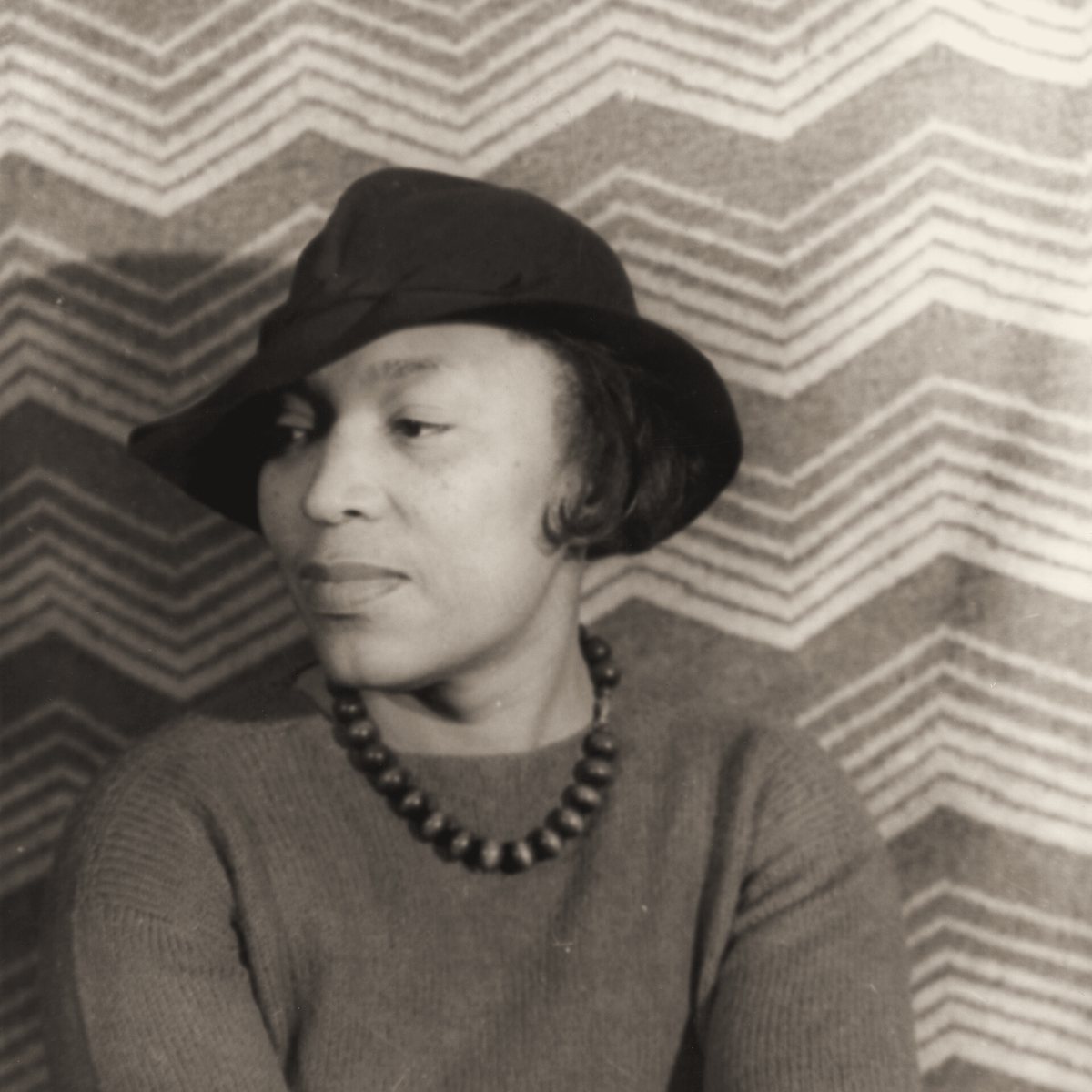
  • Black-and-white portrait of writer Zora Neale Hurston in a hat and beaded necklace, 1938.

    01

    Articles & Essays

    Writing, analysis, and commentary across history, workplace culture, race, leadership, and power.

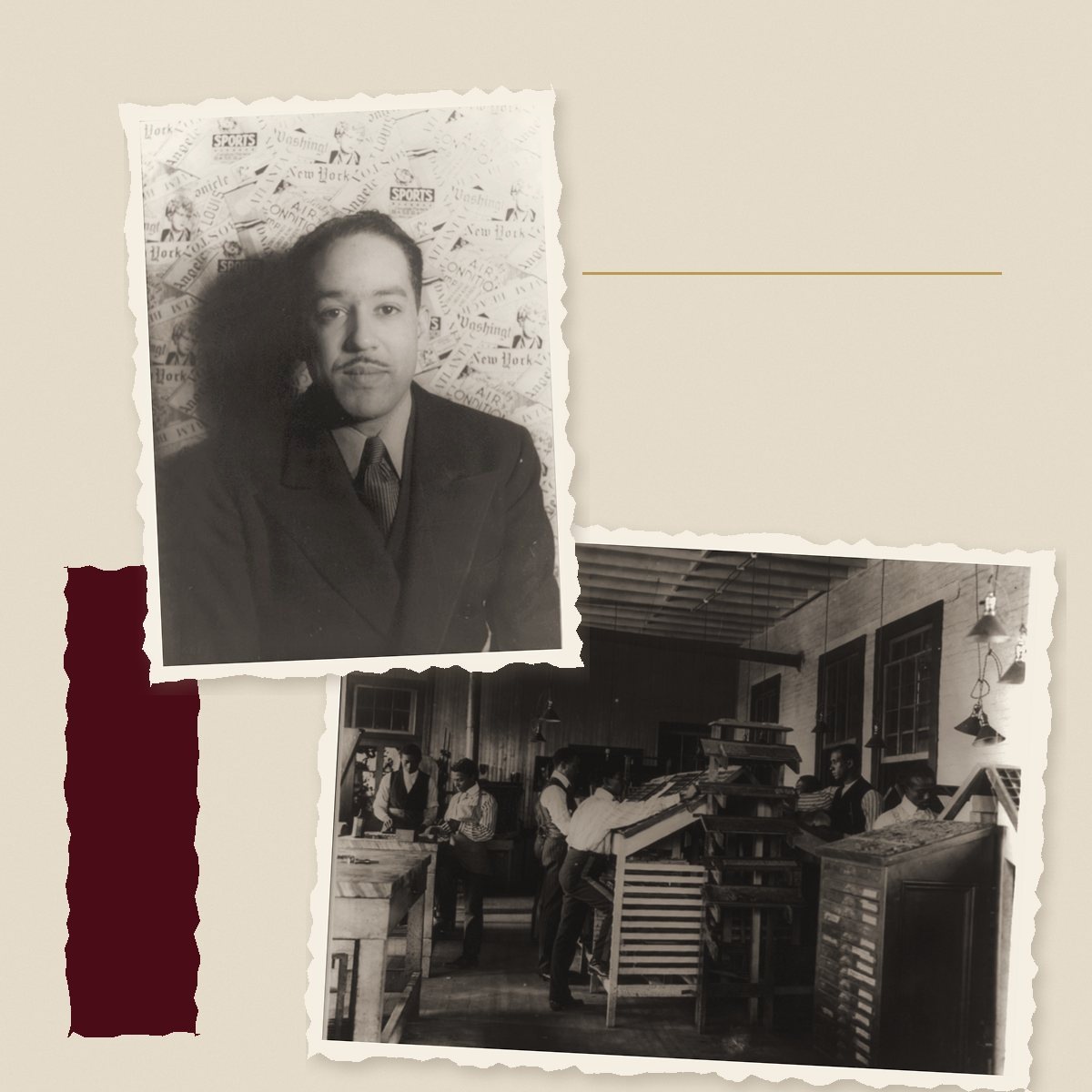
  • Collage of a 1936 portrait of Langston Hughes and a photograph of students working in the Tuskegee Institute print shop, with a burgundy paper accent.

    02

    Visual Essays & Downloads

    Visual stories, educational graphics, and downloadable resources for deeper learning.

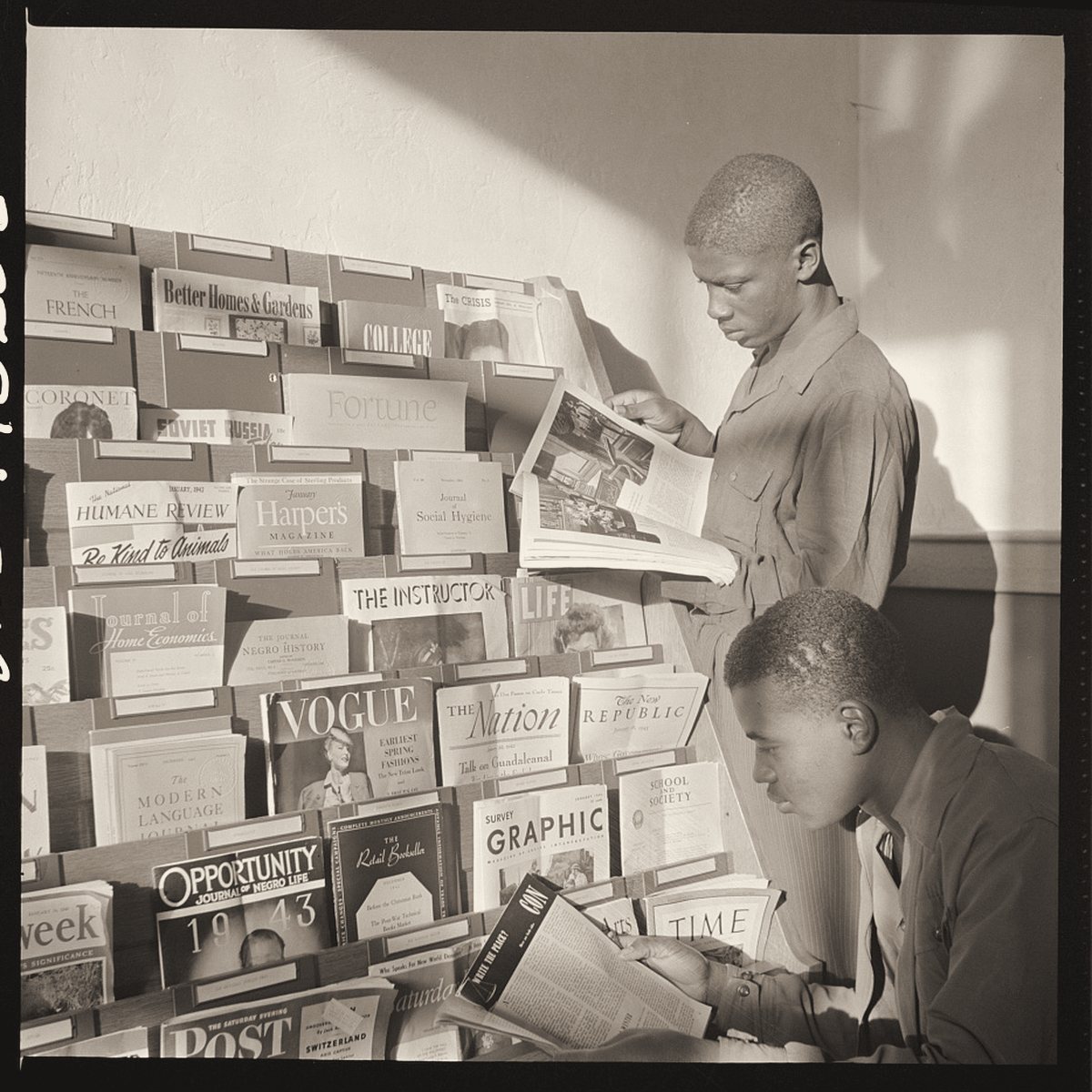
  • Two young men reading magazines from a library rack at Bethune-Cookman College, 1943.

    03

    Reading Lists

    Books, articles, and scholarship organized around topics worth exploring.

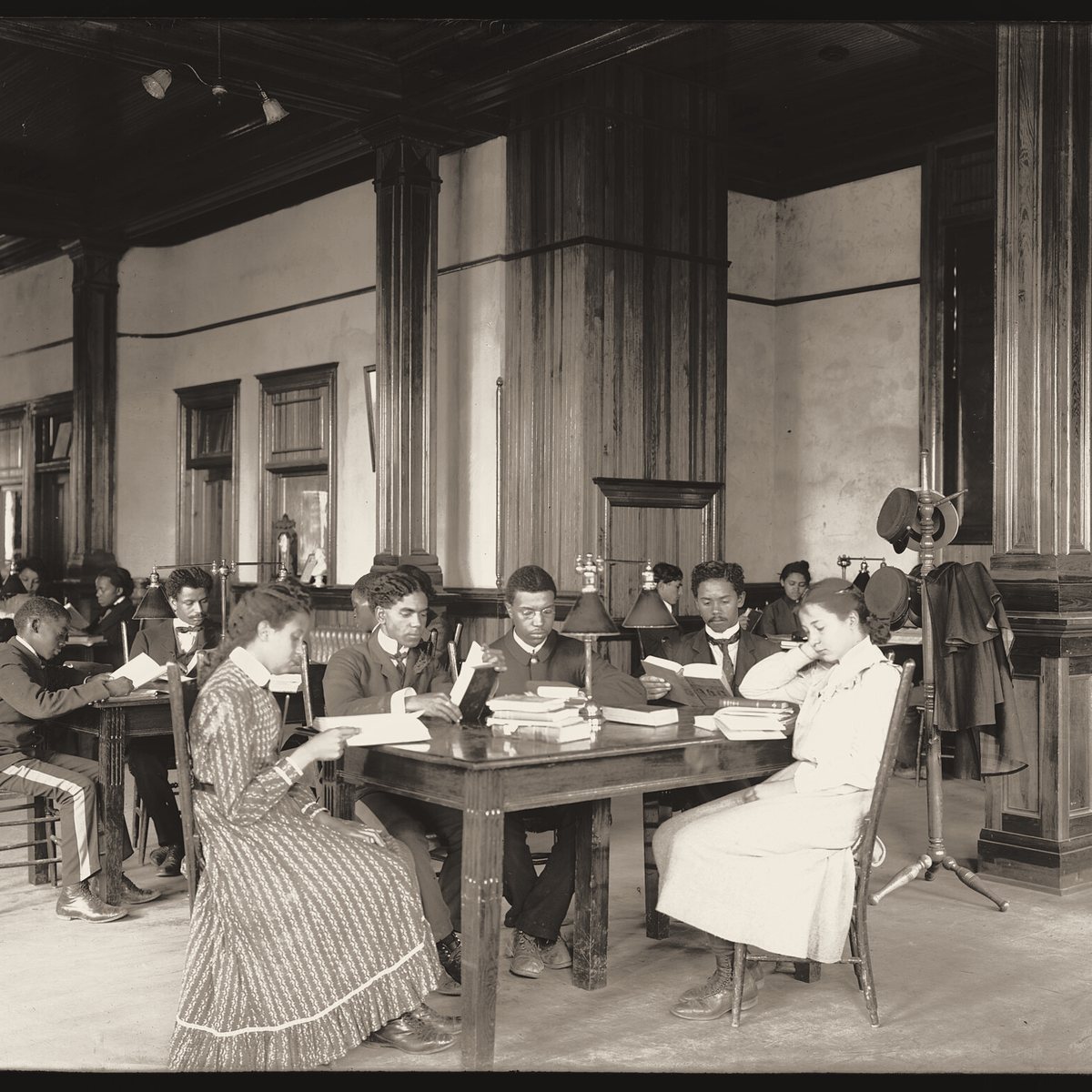
  • Men and women students reading and studying at tables in the Tuskegee Institute library reading room.

    04

    Research & Reports

    Studies, reports, historical documents, and source material that bring context to the conversation.

Photographs: Zora Neale Hurston, Carl Van Vechten, 1938 (Public domain); Langston Hughes, Carl Van Vechten, 1936 (Public domain); Students working in print shop, Tuskegee Institute, Frances Benjamin Johnston, 1902 (Public domain (Library of Congress)); Students in the library reading room, Bethune-Cookman College, Gordon Parks (Office of War Information), 1943 (No known restrictions (Library of Congress)); Library reading room, Tuskegee Institute, Frances Benjamin Johnston, c. 1902 (Public domain (Library of Congress)).

Cover of Dr. MJ Grines' guide, The Erasure of Black History, featuring a black title panel with white and gold lettering over a collage of black-and-white historical photographs and archival documents.

Featured Resource

The Erasure of Black History

Black HistoryDownloadable Resource

Explore seven ways Black history can be overlooked, distorted, or erased through historical examples and scholarly insights. This free guide helps readers recognize cultural erasure and includes a preservation questionnaire, practical action plan, and recommended reading to help protect and preserve Black history for future generations.

By Dr. MJ Grines · Dr. MJ Grines/ mjgrines.com

Explore the Resource Library

Find a topic that interests you, explore a new perspective, or discover a resource to take with you.

Topic
Format

6 resources

  • Scrapbook-style graphic with diverse Army personnel, torn ivory paper, and burgundy lettering reading “Equal Opportunity in the Army.

    VeteransResearch or Report

    Perceptions of Equal Opportunity among Women and Minority Army Personnel

    This study examines how race, gender, and rank shape Army personnel’s perceptions of equal opportunity. An abstract is available; full-text access may require a subscription.

    By Brenda L. Moore and Schuyler C. Webb · Sociological Inquiry

  • Close-up of a captain’s rank patch on a camouflage uniform beside “Why Black Officers Fail” by Remo Butler.

    VeteransArticle or Essay

    Why Black Officers Fail

    This historical article examines challenges affecting Black Army officers’ advancement, including mentorship and institutional barriers to leadership opportunities.

    By Remo Butler · Parameters, U.S. Army War College Quarterly

  • Reading List — Dr. MJ Grines

    Black at Work · Black History · VeteransReading List

    Suggested Reading

    Explore books, articles, and research on Black history, workplace experiences, military service, and equal opportunity.

  • Black woman reviewing job applications on a laptop beside the title “AI Hiring Tools Can Yield Racial Bias and Systemic Rejection.

    Black at WorkArticle or Essay

    AI Hiring Tools Can Yield Racial Bias and Systemic Rejection

    Stanford researchers examine racial disparities in AI hiring tools and how employers’ use of the same systems can repeatedly disadvantage applicants.

    By Rishi Bommasani, Sarah H. Bana, Kathleen A. Creel, Dan Jurafsky, and Percy Liang · Stanford Institute for Human-Centered Artificial Intelligence · May 26, 2026

  • Two women in military uniforms walking and talking beside “Military Women: Changes in Representation and Experiences” by Brenda L. Moore.

    VeteransResearch or Report

    Military Women: Changes in Representation and Experiences

    This open-access chapter explores women’s changing roles and representation in the military, including progress toward inclusion and continuing barriers to equal opportunity.

    By Brenda L. Moore · Handbook of Military Sciences, Springer · June 18, 2020

  • Sepia-toned illustration of Carter G. Woodson beside the research title “The Forgotten Legacy of Carter G. Woodson: Contributions to Multicultural Social Studies and African American History.

    Black HistoryResearch or Report

    The Forgotten Legacy of Carter G. Woodson: Contributions to Multicultural Social Studies and African American History

    Examine Carter G. Woodson’s contributions to Black history education and how his work continues to inform multicultural teaching and social studies.

    By LaGarrett J. King, Ryan M. Crowley, and Anthony L. Brown · The Social Studies · September 4, 2010

“Knowledge becomes more powerful when we use it.”

Explore the resources, share the learning, and keep the conversation going.

Support

Support My Work

If my writing, resources, or conversations have been meaningful to you, here are two ways to support the work.

Support a Project

Help bring my current project, Black History 101, to life. Your contribution supports the research, historical materials, and storytelling behind this initiative.